To sleep comfortably on the ground while camping, choose a flat surface and use a quality sleeping pad. Ensure your sleeping bag is appropriate for the temperature.
Starting on an outdoor adventure often entails getting a good night’s rest amidst nature. Selecting the right spot to lay your head can drastically improve your sleeping experience; a level, debris-free area is ideal to set up camp. Employing a durable, insulating sleeping pad not only provides cushioning against the hard ground but also shields you from the cold earth.
How to Sleep on the Ground Camping? A season-appropriate sleeping bag is critical – it can make the difference between a restful night and a shivering one. Being mindful of these steps can transform your camping slumber into a serene escape, rejuvenating you for the day ahead in the wilderness. Remember, a little preparation goes a long way toward ensuring the z’s you catch are as deep as the woods around you.
The Basics Of Ground Sleeping
The Basics of Ground Sleeping brings campers closer to nature. A successful night’s rest outdoors relies heavily on the initial steps taken. Learn to sleep comfortably with nature’s floor beneath you. Minimize discomfort and maximize rest with proper ground sleeping methods.
Choosing The Right Site
- Seek level ground for balance.
- Avoid areas with natural hazards.
- Prefer open areas under a tree canopy.
- Ensure the site is dry.
- Stay away from insect nests.
Select a site that is not in a low spot. This can cause cold air to settle or water to collect. Look for natural shelter from wind and a soft bed of grass or leaves.
Cleaning The Area
- Remove sharp rocks, sticks, and debris.
- Flatten the area if needed.
- Create a small depression for your hip if sleeping on your side.
Clean your campsite before setting up. A clear, flat space helps prevent discomfort. Prepare for a good night’s sleep in the wilderness.
Essential Gear For Ground Camping

Accept the great outdoors requires preparation, especially when comfort takes precedence.
Essential gear for ground camping can make the difference between a rough night and restful slumber under the stars.
Selecting A Sleeping Pad
Choosing the right sleeping pad is essential for a sound sleep. It provides cushioning and insulation against the cold ground.
- Foam pads offer durability and insulation.
- Air pads are lightweight and compact.
- Self-inflating pads balance comfort and convenience.
Select based on sleep preference and season.
Benefits Of A Sleeping Bag
Sleeping bags are essential — they trap body heat and ensure warmth throughout the night.
| Type | Temperature Rating | Weight |
|---|---|---|
| Rectangular | 35°F+ | Heavy |
| Mummy | 15°F – 35°F | Light |
| Hybrid | Variable | Medium |
Consider the season and personal comfort level.
The Importance Of A Tent Footprint
A tent footprint extends your tent’s life. It protects the floor from abrasion and moisture.
- Place it under the tent before setup.
- Ensure it’s smaller than the tent’s base.
- Choose a material that’s durable and waterproof.
Setting Up Your Sleep System

Unforgettable nights under the stars start with a cozy sleep system. When camping, your sleep system is your nighttime sanctuary. It shields you from the cold ground and invites restful slumber. A well-thought-out arrangement is key for maximum comfort. Let’s delve into the essentials of crafting your perfect camping bed.
Layering For Comfort
Layering is your best strategy for a snug sleep. Think of it as your personal comfort sandwich. You want layers below and above you.
- Ground layer: This is your first defense against the cold earth. Use a durable, insulating pad or mattress.
- Mid layer: Add a foam pad for extra insulation. This layer traps air and warms it with your body heat.
- Top layer: Your sleeping bag is the final layer. Choose one rated for the lowest temperatures you’ll face.
Considering the season is vital. Opt for thicker layers in winter. Go light in summer to avoid overheating.
Arrangement For Optimal Sleep
The right arrangement ensures a night of uninterrupted rest. Keep these points in mind:
- Flat surface: Find the most level ground available to prevent rolling in your sleep.
- Head higher: Sleep with your head slightly elevated to stay aligned and wake up without stiffness.
- Pillow: Don’t forget a small pillow or rolled-up clothing for neck support.
- Space: Ensure your sleep system is spacious enough. You want to move freely and maintain warmth.
Set everything up before sunset. Test your arrangement for any adjustments. Comfort is a priority for the best experience outdoors.
Techniques For Warmth Retention
We all know a good sleep is key, especially when camping. But cold nights can make sleeping on the ground challenging. Let’s explore some techniques for warmth retention that can turn your chilly camping experience into a cozy night under the stars.
Using Thermal Layers
Staying warm starts with what’s between you and the ground. Insulation is important.
- Start with a foam pad; it traps air and warms it with your body heat.
- Top it with a thermal sleeping bag. Choose one rated for the coldest temperatures you expect.
- Wear thermal underwear and wool socks to bed. These trap heat close to your body.
- Consider a sleeping bag liner for an extra layer of warmth.
Creating Wind Barriers
Wind snatches away body heat. It’s essential to block it out for a warm night’s sleep.
- Choose the right tent spot: Look for natural windbreakers like bushes or boulders.
- Set up a tent with a robust fly-sheet: Make sure it’s fully zipped to shut out drafts.
- Use a tarp or bivvy bag : Outside your sleeping bag for an added layer against the wind.
- Close all tent vents : are not required for ventilation.
Remember, a warm camper is a happy camper. Use these strategies to beat the cold and wake up refreshed for your next day’s adventure.
Avoiding Common Ground-sleeping Pitfalls
Sleeping on the ground while camping can be a dreamy experience if done right. With the stars overhead and nature all around, comfort can still be yours. Let’s dive into making the great outdoors feel like a cozy bedroom, minus the common ground-sleeping mistakes campers often face.
Dealing With Uneven Terrain
Finding a flat spot to sleep is essential. This prevents a night spent sliding or rolling around. Here’s how to master uneven ground:
- Inspect the area – Look for a spot that seems naturally flat.
- Clear the ground – Remove sticks and rocks to avoid discomfort.
- Use a ground pad – It can smooth out small bumps.
- Adjust your sleeping position – Lay with your head uphill for better rest.
Preventing Moisture Accumulation
Staying dry is urgent for warmth and comfort. Follow these steps to avoid waking up damp:
- Choose breathable gear – This lets moisture escape and reduces condensation.
- Lay down a waterproof barrier – A tarp or tent footprint will keep ground moisture away.
- Avoid camping in low areas – They can collect water and become damp overnight.
- Air out bedding – Do this each morning to prevent moisture buildup.
Innovative Hacks For Enhanced Comfort
Camping often brings the challenge of comfortable sleep under the stars. But with a few innovative hacks, the ground can transform into a cozy bed. Discover solutions that make roughing it feel a bit like home.
Diy Pillow Solutions
Forget bulky pillows; use items in your pack to create a comfortable headrest.
- Stuff a soft shirt with clothes.
- Roll up a fleece jacket for a plush feel.
- Try an inflatable bag that doubles as a pillow.
Natural Bedmaking Techniques
Nature offers abundant materials to construct a soft bed.
- Find flat ground free of rocks and roots.
- Layer pine needles or leaves for cushioning.
- Arrange a mosaic of grassy patches for extra softness.
Safety Precautions While Sleeping On The Ground
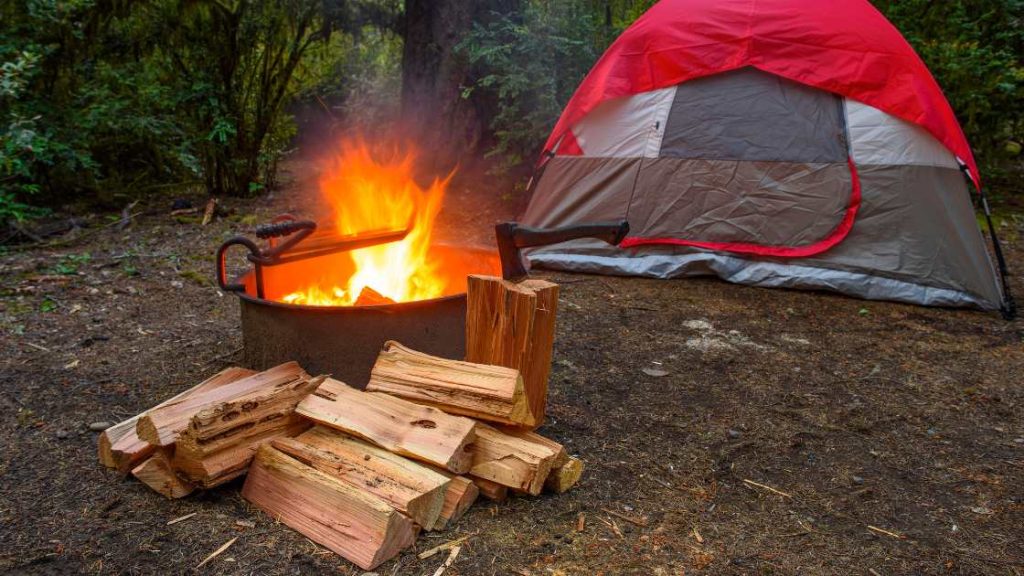
The outdoors can lead to incredible camping experiences. But, sleeping on the ground demands certain safety measures to ensure an enjoyable adventure. Let’s focus on how to keep safe from wildlife and potential hazards while nestled under the stars.
Wildlife Awareness
When you tuck into your sleeping bag, remember the forest is a living community. Various animals roam at night, curious about your camp. Your safety lies in understanding how to minimize disturbances and potential threats.
- Choose a campsite away from natural animal paths.
- Before sleep, inspect your site for signs of wildlife.
- Seal personal items with strong scents in airtight containers.
- Always sleep within a safety enclosure, like a tent or a hammock with a net.
Secure Food And Scents
Food odors can attract animals large and small. Proper storage is a must for a safe night’s sleep. Here’s the best approach:
- Use bear-proof canisters or hang food high on a ‘bear hang’ if in bear country.
- Store food away from your sleeping area, at least 100 meters if possible.
- Ditch any greasy or smelly clothing that may have food scents before bedtime.
- Double-check that all food items are secure before turning in.
Remember, a safe camping trip means you leave with fond memories. Take these safety steps to heart and enjoy the peaceful embrace of the great outdoors.
The Role Of Campsite Etiquette
Sleeping on the ground while camping is an adventure. Choosing the right spot and respecting nature are acute. This is where campsite etiquette comes in. It ensures everyone has a pleasant experience while keeping the environment unharmed.
Minimizing Impact
To sleep comfortably and responsibly, minimize your impact on the campsite. Here’s how:
- Choose existing campsites: Sleep on durable surfaces. Avoid creating new spots.
- Pack it in, pack it out: Leave no trace of your stay. Take all trash with you.
- Use a sleeping pad: It protects the ground and offers you comfort.
Respecting Fellow Campers
A good camper respects others. Keep these points in mind:
- Keep noise down: Nature’s soundtrack is best. Avoid loud voices and music.
- Maintain privacy: Give space. Set your tent away from others.
- Share communal spaces: Take turns at shared spots like the fire ring.
Preparing For Different Weather Conditions
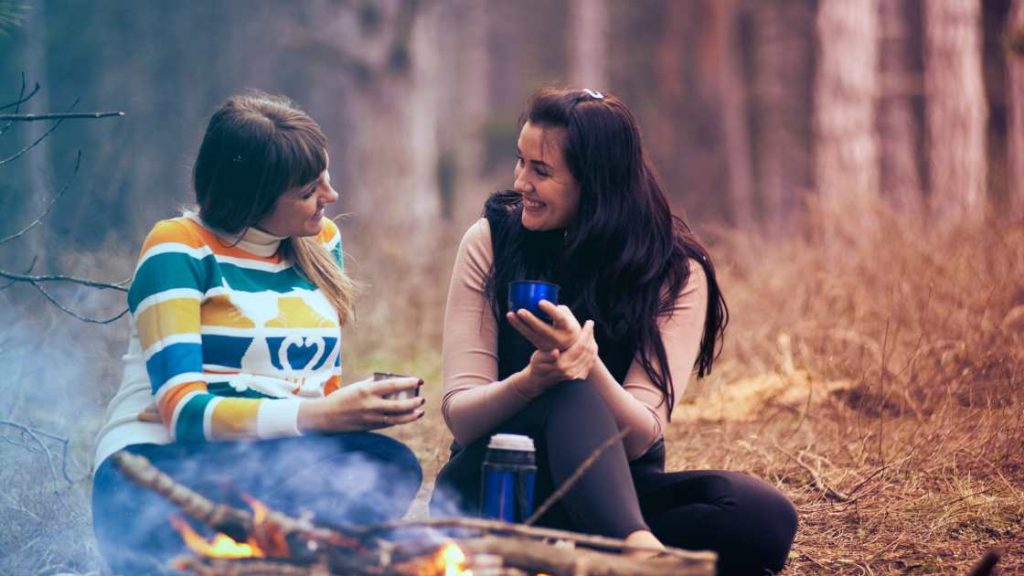
Camping is thrilling, but it also demands smart planning,
especially when you’re sleeping on the ground. Weather can change quickly,
so be ready for anything Mother Nature throws at you.
The right strategies ensure you stay cozy and dry or cool and hydrated.
Here’s how to manage whatever weather comes your way.
Managing Rain And Snow
- Pick waterproof gear: Your tent should handle rain and snow well.
- Use a tarp: Place it under your tent for extra moisture protection.
- Insulating layers: Pack insulated sleeping mats and bags.
- Stay elevated: Keep your sleeping spot away from low areas where water gathers.
- Dress appropriately: Wear layers and choose moisture-wicking fabrics.
Coping With Extreme Heat
- Choose breathable gear: Get a tent with lots of mesh.
- Hydrate: Drink plenty of water throughout the day.
- Reflective tarp: Put it over your tent to deflect sun rays.
- Rest in shade: Sleep during the hotter hours can be tough.
- Wear light clothing: Opt for loose, light-colored apparel.
The Health Benefits Of Ground Sleeping
The idea of sleeping on the hard, uneven ground may not seem inviting at first. Yet, many campers and outdoor enthusiasts swear by the health benefits that ground sleeping offers. Moving away from plush mattresses, ground sleeping in nature can lead to surprising improvements in well-being. Here’s how:
Improving Posture
Laying on the ground naturally aligns the spine. Unlike soft beds that can cause the body to sink and bend, the ground provides a firm surface. This helps maintain proper posture throughout the night. Remember, a straight, well-aligned spine is crucial for overall health. Here are some key points:
- Reduces back pain: Aligns the spine, reducing stress on the back.
- Stimulates muscle recovery: Offers even support to muscles.
- Encourages neutral neck position: Reduces the risk of neck pains.
Enhanced Sleep Quality
Many find that sleeping on the ground improves sleep quality. It offers a calming influence, encouraging deeper sleep cycles. The body seems to tune into the natural rhythms of the environment, leading to a more restorative sleep. Let’s explore the benefits further:
- Promotes deeper sleep: Engages with natural sleep patterns.
- Helps in cooling the body: Ground absorbs body heat, allowing cooler sleep.
- Reduces insomnia symptoms: Natural surfaces may lower stress levels.
Frequently Asked Questions Of How To Sleep On The Ground Camping
What Sleeping Gear Is Best For Ground Camping?
When camping on the ground, a sleeping pad or air mattress is essential. This provides cushioning and insulation from the cold ground. Opt for a sleeping bag rated for the lowest temperatures you might encounter to ensure warmth throughout the night.
How Can I Stay Warm Sleeping On The Ground?
To stay warm, use a sleeping bag suitable for the season, a sleeping pad for insulation, and wear moisture-wicking base layers. You can also fill empty spaces in your bag with clothing to reduce air pockets and wear a hat to minimize heat loss.
What Is The Proper Way To Set Up A Camp Bed?
Select a flat, elevated surface free of rocks and debris. Unroll your sleeping pad and place your sleeping bag on top. If using an air mattress, inflate it before arranging your sleeping bag. Ensure it’s fully covered to avoid drafts during the night.
Can You Sleep Comfortably On The Ground While Camping?
Yes, comfortable ground sleeping while camping is achievable. Invest in a quality sleeping pad, air mattress, or cot. Opt for a thick, insulated sleeping bag, and consider a pillow or a bundled-up piece of clothing for neck support.
Is It Safe To Sleep On The Ground?
Sleeping on the ground can be safe for short periods, but long-term exposure may lead to discomfort, increased risk of injury, and exposure to environmental elements. It is advisable to use appropriate bedding or camping gear to provide insulation and support for a more comfortable and safer sleep.
Conclusion
Enjoy the rugged tranquility of nature needn’t compromise a restful night. With the right technique, sleeping on the ground while camping can be surprisingly comfortable. Remember, a thoughtful setup is key—choose the perfect spot, pad properly, and snuggle into your sleeping bag.
Sweet dreams under the stars await, as you master the art of slumber in the great outdoors.